ReturnGuard in practice

One verified operating case, and how the same discipline shows up elsewhere.

Customer names are non-disclosed by agreement. The verified case below uses approved facts and an on-the-record quote; the operating profiles that follow are anonymized workflow examples, not customer claims.

Verified operating caseNo fabricated testimonials
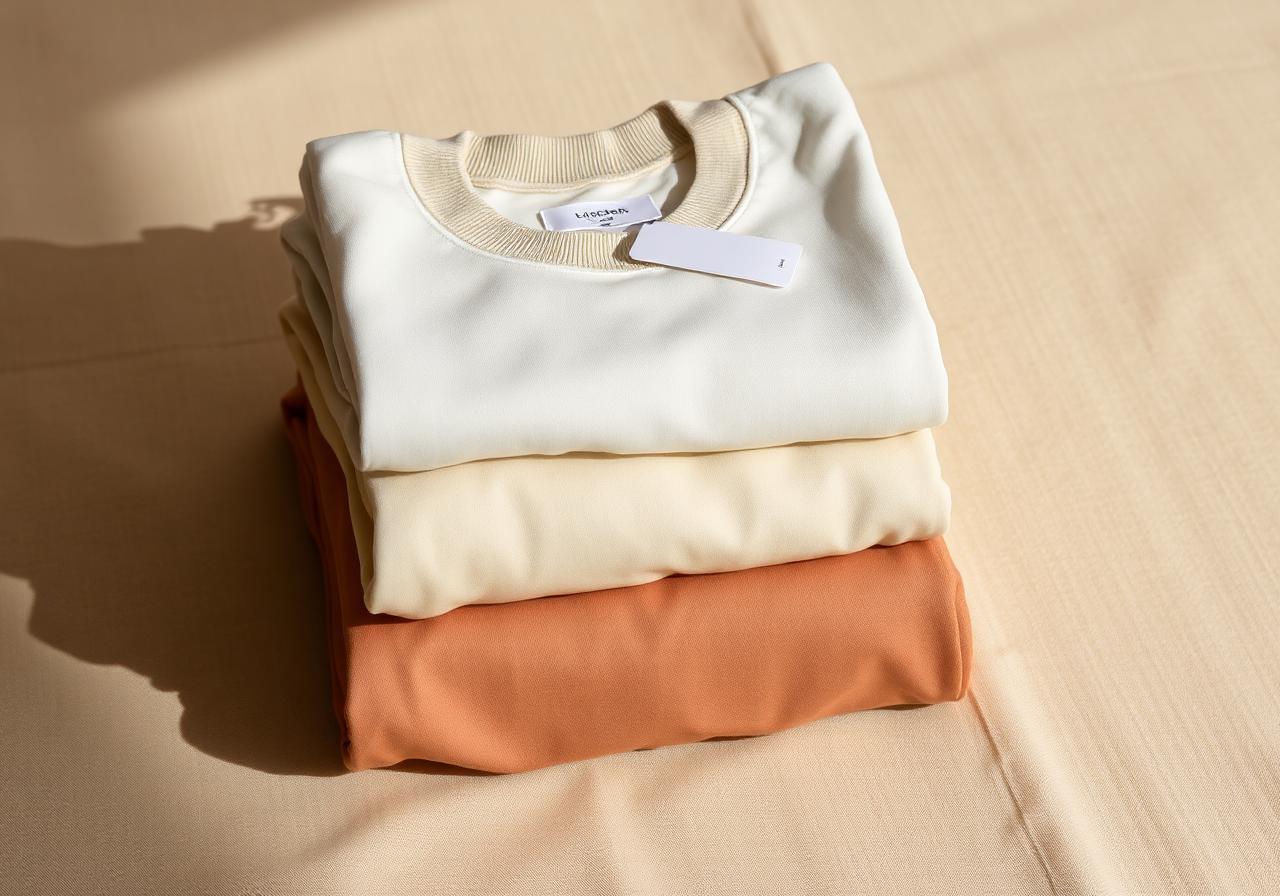
Stack of folded premium garments in muted earth tones

Verified Operating Case

Tier 1 Luxury Streetwear Distributor(North America)

A DTC luxury streetwear distributor deployed ReturnGuard to route review-worthy patterns on high-value SKU returns through a human Fraud Ops reviewer, while keeping the customer-facing experience unchanged for low-risk cases.

Segment
Tier 1 Luxury Streetwear Distributor (North America)
Channel
DTC apparel
Region
West Coast, United States
Annual GMV
$140M
Roles involved
Logistics Manager · Fraud Prevention Lead · CX Supervisor
“The scoring logic successfully isolated habitual returners without degrading the experience for high-LTV customers. We stopped funding professional wardrobers within two months of deployment.”
Julian Vance, VP of Operations

Anonymized by agreement. No logo or internal dashboard screenshots. Figures apply to this operating workspace and are not a guarantee of individual outcomes.

Before ReturnGuard

Review process
Manual Zendesk review of damaged and wrong-item claims
Decisioning
Binary approval or denial based on customer loyalty tier
High-risk segment return rate
18% — attributed to wardrobing and fraudulent non-receipt claims
Manual review time
4.2 hours average per case

After ReturnGuard

Review process
ReturnGuard scoring on high-value SKU returns over $300, with human reviewer at every decision
High-risk segment return rate
Decreased to 11% within 90 days of deployment
Manual review time
14 minutes per high-risk case
Loyal customers
High-risk scores route to review; refunds are not automatically denied and low-risk cases keep their existing experience

Operating profiles

Anonymized workflow examples across other segments.

These are illustrative workflows, not customer claims and not testimonials.

Premium apparel — operating profile

Recover margin points by routing grade A items back to full-price faster.

An illustrative premium apparel workflow with roughly 22% return rate on outerwear. Recovery routing is rebuilt so grade A items move back to full-price faster and grade B items stop defaulting to outlet at a loss.

Auto-approve safe cases
Workspace rule
Recovery rate
Tracked weekly
Reviewer hours
Reduced via auto-approve

Operating disciplineReturns lead owns recovery rate, not just CX response time.

Footwear — operating profile

Wire a refurb partner into the recovery router for resole-eligible items.

An illustrative multi-brand footwear workflow where the refurb partner is wired into the recovery router. Items above the resole threshold stop defaulting to outlet.

Repair vs outlet
Compared per item
Size-exchange capture
Reviewer-owned
Top reason cluster
Surfaced weekly

Operating disciplineReason codes match footwear specifics — sole, upper, box.

Multi-brand boutique — operating profile

Run one control room across multiple brands with per-brand recovery rules.

An illustrative multi-brand boutique running several brand identities under one workspace, with per-brand recovery rules and reason codes.

Brands managed
One workspace
Reviewer cross-train
Single role matrix
Reporting cycle
Weekly brief / brand

Operating disciplineOne queue, many brand profiles, calm language with every customer.

See it on your data

Walk the same loop in a sample fashion workspace.

Start a workspace, load seeded fashion cases, and move a return through every screen with human oversight at each decision point.